Understanding VR6
Understanding VR6 Engines: Achieving the Ideal Blend of Power and Efficiency
The VR6 engine distinguishes itself in the world of automobiles for its unique blend of capability and efficiency. With its six cylinders positioned in a narrow 'V' arrangement, it provides an exceptional driving experience. This design not only enhances acceleration but also optimizes fuel consumption. However, what truly distinguishes the VR6 from conventional engines? Delving into its attributes and everyday applications exposes findings that may astound many.
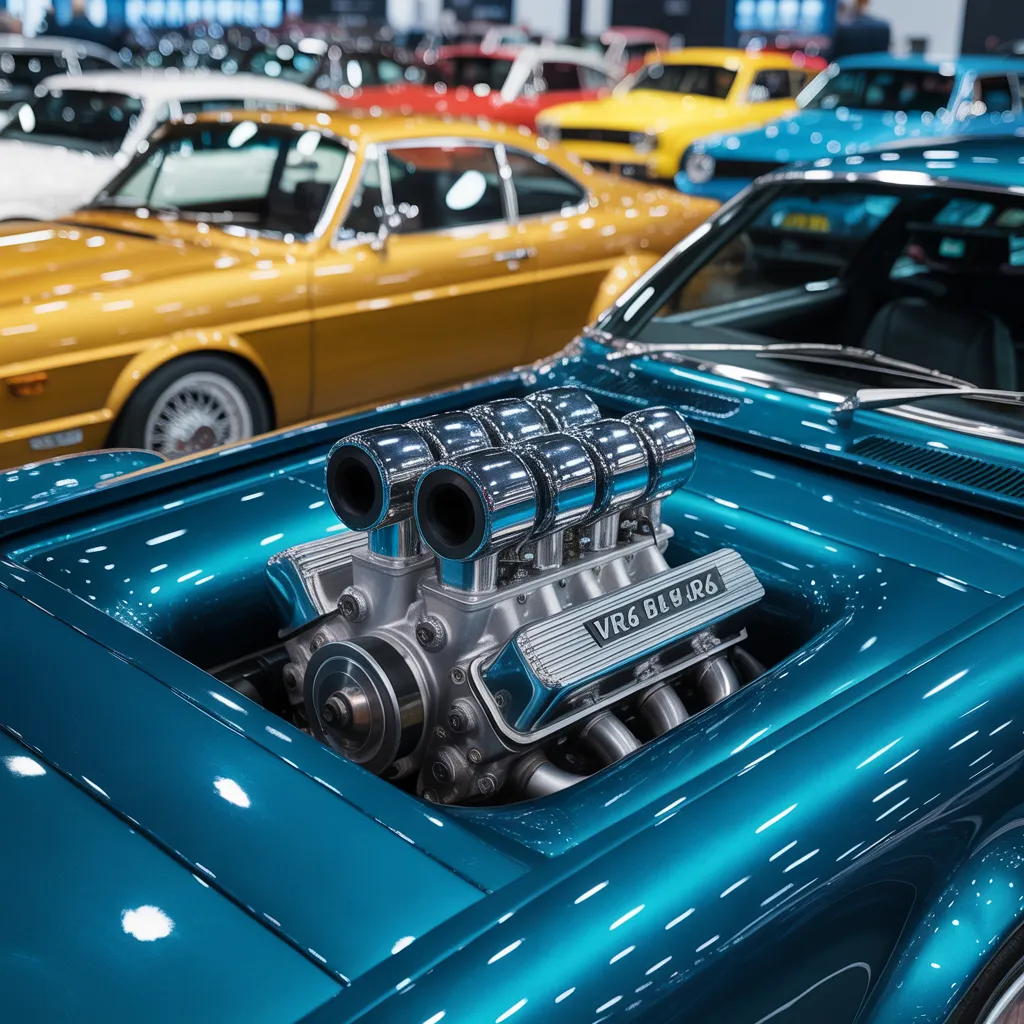
What Is a VR6 Engine and How Does It Work?
The VR6 motor, a distinctive arrangement in the auto industry, blends the qualities of a V6 and an inline engine. Developed by Volkswagen in the later part of the 1980s, it utilizes a streamlined design that allows for a narrower engine bay, making it suitable for various vehicle types. This engine is composed of six cylinders positioned in a 'V' shape yet with a reduced angle, usually approximately 15 degrees. This setup results in more refined performance and a decreased center of mass, enhancing vehicle stability.
The VR6 engine features a single cylinder head that serves both banks of cylinders, minimizing weight and complexity. It operates on a four-stroke combustion cycle, delivering a balance of performance and efficiency. The engine's configuration facilitates outstanding torque production across a wide RPM range, rendering it a preferred option for performance-focused vehicles. In summary, the VR6 engine represents a clever engineering solution that addresses diverse automotive needs.
Notable Design Elements of the VR6 Engine
Unique design elements distinguish the VR6 engine, distinguishing it from traditional configurations. One of its most distinctive traits is the compact V-angle arrangement, typically around 15 degrees, which permits a more space-efficient design without sacrificing cylinder count. This layout allows the engine to accommodate tighter engine compartments, making it a versatile choice for various vehicles.
Additionally, the VR6 employs a single cylinder head, which reduces the complexity of production and upkeep in contrast to typical V6 engines that demand two heads. This structure further improves the engine's structural integrity. The unique placement of the exhaust and intake systems results in improved aerodynamic performance, optimizing overall output.
Furthermore, the VR6 possesses a notable firing order that generates a seamless power delivery, limiting vibrations and improving overall driving comfort. Together, these remarkable attributes support the engine's standing as balancing performance with efficiency.
What Makes VR6 Engines Perform So Well?
Many enthusiasts praise VR6 engines for their outstanding power capabilities, which arise from a combination of efficient design and engineering. The notable arrangement of the VR6 engine, utilizing a compact V-angle design, enables a compact size while maintaining six cylinders. This design improves power output and optimizes torque, rendering VR6 engines remarkably effective across a broad RPM spectrum.
Furthermore, the engine's equilibrium plays a role in smoother operation, minimizing unwanted vibrations that negatively impact the driving experience. The integration of advanced technologies, such as turbocharging and variable valve timing in some models, additionally enhances overall performance while maintaining long-term reliability.
Furthermore, the VR6's natural design minimizes weight, allowing for better handling and agility in vehicles. This combination of factors yields a powertrain that not only delivers potent acceleration but also a thrilling driving experience, making VR6 engines a preferred option among automotive enthusiasts.
VR6 Engine Fuel Consumption Compared
The gas mileage of VR6 motors varies across different models and configurations. Factors such as the engine displacement and road conditions significantly impact general gas mileage. Understanding these variables helps shed light on the practicality of VR6 engines for daily driving.
Fuel Efficiency Comparisons
How does the fuel efficiency of VR6 engines stack up against other similar configurations? The VR6 engine commonly provides a remarkable equilibrium between performance and fuel economy relative to inline-six and V8 engines. Even though standard inline-six engines can offer somewhat greater efficiency because of their architecture, the VR6's condensed configuration facilitates weight reduction and more practical vehicle packaging. Comparatively, V8 engines often sacrifice fuel economy for increased power output. From a real-world perspective, numerous VR6-powered vehicles attain commendable miles per gallon, positioning them as a desirable choice for drivers pursuing performance without significantly sacrificing fuel efficiency. In summary, the VR6 engine retains a strong competitive standing in the performance category, attracting drivers who value both power and fuel economy.
Engine Size Impact
Even though engine size has a considerable impact on fuel efficiency, the VR6 engine provides a distinctive combination of performance and fuel economy. In most cases, bigger engines use more fuel, but the VR6's streamlined design enables lower weight and enhanced aerodynamics. This setup allows the engine to produce significant power while minimally affecting fuel economy. By utilizing a narrow-angle V-design, the VR6 maintains a balance between performance and size, allowing it to rival larger engines while providing superior fuel economy across different applications. Consequently, the VR6 engine demonstrates that innovative engineering can lead to effective fuel management, making it an attractive option for those seeking both power and efficiency in their vehicles.
Impact of Driving Conditions
While various driving conditions can considerably impact fuel economy, the VR6 engine exhibits notable versatility across various environments. In urban settings, repeated acceleration and braking can result in reduced efficiency; however, the VR6's design enables top-tier functionality even in these circumstances. In contrast, on open roads, the engine displays its capability by preserving higher speeds with less fuel consumption, due to its balanced power delivery and torque characteristics. Weather conditions, such as low temperatures, can also affect fuel efficiency, but the VR6's technology accounts for this by maintaining stable operation. Ultimately, the VR6 engine's adaptability allows it to maintain competitive fuel efficiency, making it a trustworthy choice for a wide range of driving scenarios, from city traffic to long-distance roads.
Notable Cars Featuring the VR6 Motor
The VR6 engine has had a significant influence in the automotive world, powering a variety of popular models across different brands. Volkswagen is arguably the most closely associated with the VR6, featuring it in iconic vehicles such as the Golf and the Passat. The dynamic Volkswagen Corrado also showcased this engine, capturing the attention of car lovers with its powerful capabilities. Audi, also part of the Volkswagen Group, incorporated the VR6 into models including the Audi A4 and A6, emphasizing a blend of luxury and power.
In addition, the VR6 engine was adopted by some vehicles from various other brands, such as the Dodge Stealth and the Mitsubishi 3000GT, both of which embraced its unique configuration for greater performance capabilities. Taken as a whole, the versatility and performance characteristics of the VR6 have positioned it as a preferred selection in various automotive segments.
Vital Maintenance Tips for VR6 Owners
For VR6 engine owners, consistent upkeep is critical to guarantee the engine runs efficiently and reliably. Essential upkeep guidelines consist of complying with the manufacturer's suggested oil change intervals, generally between 5,000 and 7,500 miles, with the use of premium synthetic oil. Checking coolant levels regularly is also crucial, as VR6 engines may suffer from overheating if the cooling system is not properly maintained.
Regularly inspecting the timing chain and tensioner is essential due to their significant role in engine performance. Owners should replace the air filter and spark plugs based on the service schedule to maintain optimal combustion. Additionally, checking for vacuum leaks and maintaining the fuel system can reduce the risk of performance-related concerns.
Additionally, routine inspections of hoses and belts help prevent potential breakdowns. By adhering to these essential maintenance guidelines, VR6 engine owners can boost the lifespan and reliability of their engines, improving both overall performance and efficiency.
Comparing VR6 Engines to Inline and V-Type Alternatives
In comparing VR6 engines with their inline and V-type counterparts, one can appreciate the remarkable design that makes the VR6 stand out. The VR6 configuration brings together the best of both inline and V-type motor designs, presenting a compact design without sacrificing capability. It typically features a tight angle between the rows, allowing for a decreased overall length, which is particularly beneficial in restricted engine bays.
On the other hand, inline engines provide straightforward design and simple upkeep, while V-type engines often excel in strength and balanced delivery as a result of their increased displacement and structural balance. However, VR6 engines find a middle ground between both layouts, delivering strong mid-range torque and a distinctive engine sound.
Ultimately, in the end, when all is considered, at the end of the day the choice between these engine types often comes down to personal preference, driving style, and specific performance needs Every engine layout offers its own advantages, yet the VR6 distinguishes itself through its combination of efficiency and performance
Real-Life Stories: What Enthusiasts Say About the VR6
Owners regularly exchange different perspectives with VR6 engines, showcasing their performance traits and special qualities. Numerous owners appreciate the harmony between performance and everyday usability, while a number highlight certain durability and service considerations. This feedback delivers a detailed understanding of the VR6's image among motoring devotees.
Performance Lover Insights
Many performance enthusiasts rave about the distinctive character of the VR6 engine, frequently emphasizing its unique sound and responsive power delivery. These devoted fans admire the engine's smooth revving and robust torque, which are instrumental in creating a thrilling driving experience. Numerous owners note that the condensed layout supporting information facilitates superior weight distribution, enhancing handling dynamics in a wide range of models, especially VW and Audi platforms. Fans additionally recognize the engine's modification capabilities, with a wide array of aftermarket upgrades on offer. Additionally, the blend of power and efficiency is frequently cited, establishing it as a flexible solution for both performance-oriented and routine driving needs. In summary, the VR6 remains deeply cherished among drivers who seek a harmony of power and personality.
Daily Driving Impressions
Fulfillment often characterizes the everyday driving moments of drivers who operate a VR6 engine. Owners regularly applaud the engine's smooth power delivery, which delivers a seamless blend of power and responsiveness. Several owners mention that the distinctive growl of the VR6 enhances their driving enjoyment, making regular drives feel notably more exciting. The engine's impressively streamlined build enables nimble control, contributing to a responsive ride in metropolitan areas. Furthermore, owners value its flexibility, excelling in spirited driving scenarios as well as daily commutes. Economy at the pump, even if not its strongest suit, is frequently regarded as acceptable, maintaining a harmony that aligns with daily usage. In summary, VR6 enthusiasts frequently communicate a profound appreciation, underscoring its remarkable attributes.
Reliability and Maintenance Insights
The VR6 engine has garnered a strong reputation for dependability among its enthusiasts, often noted in discussions about long-term ownership stories. Many enthusiasts report limited concerns over considerable distances, crediting this durability to robust engineering and quality components. Routine maintenance is critical, and drivers stress the need to follow service intervals for timing belt replacements and oil changes.
While some drivers note small concerns, like coolant system leaks or sensor malfunctions, these are generally considered manageable. Community discussions regularly feature VR6 engines surpassing 200,000 miles through proper maintenance. Overall, the consensus among enthusiasts is that through consistent maintenance, the VR6 provides both power and dependability, establishing it as a preferred choice across numerous applications.
Answers to Your Common Questions
How Does the VR6 Engine Measure Up to Turbocharged Engines?
The VR6 motor provides a unique blend of compact power and smoothness, whereas turbocharged motors generally offer superior torque and overall efficiency. Either choice carries notable strengths, suiting diverse expectations for performance and driving experience.
What Are the Most Common Problems With VR6 Engines?
Typical problems with VR6 engines include oil leaks, timing chain tensioner failures, and overheating problems. Moreover, the intake manifold can experience vacuum leaks, impacting performance and efficiency, requiring regular maintenance for optimal operation.
Is It Possible to Modify a VR6 Engine for Additional Power?
Absolutely, a VR6 engine is able to be tuned for increased power. Typical upgrades consist of enhancing the intake and exhaust setups, optimizing the ECU, and incorporating forced induction, all of which enhance performance while maintaining reliability.
What Is the Expected Lifespan of a VR6 Engine?
The operational life of a VR6 engine typically ranges from 150,000 to 200,000 miles, depending on maintenance, driving conditions, and modifications. Consistent care can maximize its durability, while inadequate care can drastically diminish its longevity.
Do VR6 Engines Work Well for Daily Driving?
Yes, VR6 motors are well-suited for daily driving. These powerplants deliver a blend of performance and comfort, supplying ample power for everyday city travel while maintaining fuel efficiency, making these engines a practical choice for regular use.